Basement Waterproofing NJ Basics Every Property Owner Should Understand
New Jersey basements take a beating. Between coastal storms, older housing stock, freeze and thaw cycles, dense clay soils in many counties, and neighborhoods where grading has shifted over decades, water does not need much of an opening to become a recurring problem. I have seen homeowners dismiss a faint damp smell as a minor nuisance, only to discover months later that a finished basement wall was hiding mold, warped framing, and a slow seepage line running behind shelving. By the time the issue is visible, the damage is often larger than expected.
That is why understanding the basics of Basement Waterproofing NJ matters long before you are standing in ankle-deep water. Waterproofing is not one product and it is not one universal fix. It is a set of strategies that control how water behaves around and beneath a structure. Some basements need a straightforward exterior drainage correction. Others need interior collection systems, sump equipment, crack repair, or a combination of measures that work together.
The most expensive mistakes usually come from treating symptoms instead of causes. Paint over a wall stain, and the stain may disappear for a while. Ignore the downspout discharging against the foundation, and the hydrostatic pressure will still build. Run a dehumidifier without fixing seepage, and you are paying to manage moisture that should never have entered in the first place.
Why basements in New Jersey are especially vulnerable
Geography and construction history both play a role. In many parts of New Jersey, heavy rainfall can saturate the soil quickly. When the ground around the foundation holds water, pressure builds against the basement walls and beneath the slab. That pressure pushes moisture through cracks, joints, porous concrete, and tie rod holes. If the water table rises, the effect gets stronger.
Soil type matters more than many owners realize. Clay-heavy soils expand when wet and contract when dry. That movement can stress foundations over time, especially around wall penetrations and cold joints where the wall meets the floor. Sandy soils drain better, but they can still move and settle in ways that affect grading and drainage patterns. In older neighborhoods, homes have had decades of landscaping changes, patched walkways, settled stoops, and replaced gutters. One small change can direct water exactly where you do not want it.
Then there is the age factor. A large share of New Jersey homes were built before current waterproofing practices became common. Some foundations were never given modern drainage boards or effective footing drains. Some old drain tile systems have silted in or collapsed. Mortar joints in older masonry walls can weaken, and thin floor slabs can crack as the ground shifts beneath them.
A basement does not need to flood dramatically to be a problem. Persistent dampness can be just as damaging. Moisture affects indoor air quality, encourages mold growth, and can ruin insulation, drywall, flooring, stored items, and mechanical equipment. Even when the damage looks cosmetic, the hidden costs can keep accumulating.
The difference between damp proofing and true waterproofing
This distinction causes a lot of confusion. Many owners hear that a foundation was “waterproofed” during construction, but what was actually applied may have been a damp proofing coating. Damp proofing can help resist soil moisture under normal conditions. It is not the same as a full system designed to withstand persistent water pressure.
True waterproofing usually involves a broader approach. On the exterior, that can include excavation, wall membrane application, drainage board, footing drains, proper gravel backfill, and discharge management. On the interior, it may involve perimeter drainage channels, a sump basin and pump, vapor barriers, wall treatment, and humidity control. Crack injection and joint repair can address specific entry points, but they are rarely the whole story if site drainage is poor.
If you have ever been told that a simple waterproof paint will solve a wet basement, be skeptical. Those coatings can have a place in some situations, but they do not relieve hydrostatic pressure. Water pushing through from the outside usually finds another path.
Where basement water usually comes from
Basement water intrusion follows patterns. Once you know what to look for, the clues become easier to read. Water may enter from above, from around the foundation walls, or from below the slab. Sometimes more than one source is involved, which is why a good diagnosis takes patience.
Roof runoff is one of the most overlooked contributors. Gutters clogged with leaves, downspouts that discharge too close to the house, and extensions that have popped loose can dump thousands of gallons near the foundation over the course of a season. A surprisingly large percentage of basement moisture calls start with drainage failures that are visible from the yard.
Surface grading is another common issue. Soil should slope away from the house, but over time mulch beds build up, patios settle, and planting borders trap water. Walk around enough properties and you start to notice how many have negative grading right at the foundation. During a hard storm, water pools where the soil should be shedding it.
Subsurface water is trickier. Even when the yard looks fine, groundwater can rise and create pressure under the slab or against foundation walls. That is when owners often notice seepage at the cove joint, the line where the wall meets the floor. The wall itself may look mostly dry while water appears at the perimeter, which can seem puzzling until you understand how pressure equalizes under the slab.
Plumbing leaks complicate the picture. Not every wet basement is a waterproofing problem. I have seen owners schedule foundation work when the real culprit was a pinhole leak, a condensation issue on uninsulated piping, or a failed water heater connection. Diagnosis comes first.
The warning signs property owners should not ignore
A basement rarely goes from perfectly dry to fully flooded without dropping hints along the way. The trick is recognizing those hints early and taking them seriously.
- A musty odor that returns even after cleaning
- White chalky residue on masonry walls, often called efflorescence
- Peeling paint, bubbling wall finishes, or stained baseboards
- Hairline cracks that widen or show active moisture
- Damp carpet edges or recurring puddles after rain
Each of these signs points to moisture movement. Efflorescence, for example, is not dangerous by itself, but it is evidence that water has traveled through the wall and left mineral deposits behind. A musty smell often shows up before visible mold. A damp carpet edge near an exterior wall can mean seepage is tracking in low and spreading under the finish materials.
Timing matters too. If the problem appears only after prolonged rain, that suggests exterior saturation or groundwater pressure. If it happens after snow melt, look at grading, frozen discharge lines, and thaw patterns. If moisture is steady regardless of weather, broaden the investigation to plumbing, humidity, and condensation.
Why interior fixes and exterior fixes are not interchangeable
One of the hardest parts of discussing Basement Waterproofing NJ with property owners is correcting the assumption that every solution does the same thing. It does not. Interior systems and exterior systems solve different problems, and the right choice depends on the house, the access, and the failure mode.
Exterior waterproofing aims to stop water before it enters the foundation wall or reaches vulnerable joints. When done properly, it is often the most direct solution for wall seepage caused by poor exterior protection or failed footing drainage. It can be especially appropriate when there are large wall cracks, visible exterior deterioration, or opportunities to address grading and drainage comprehensively during excavation.
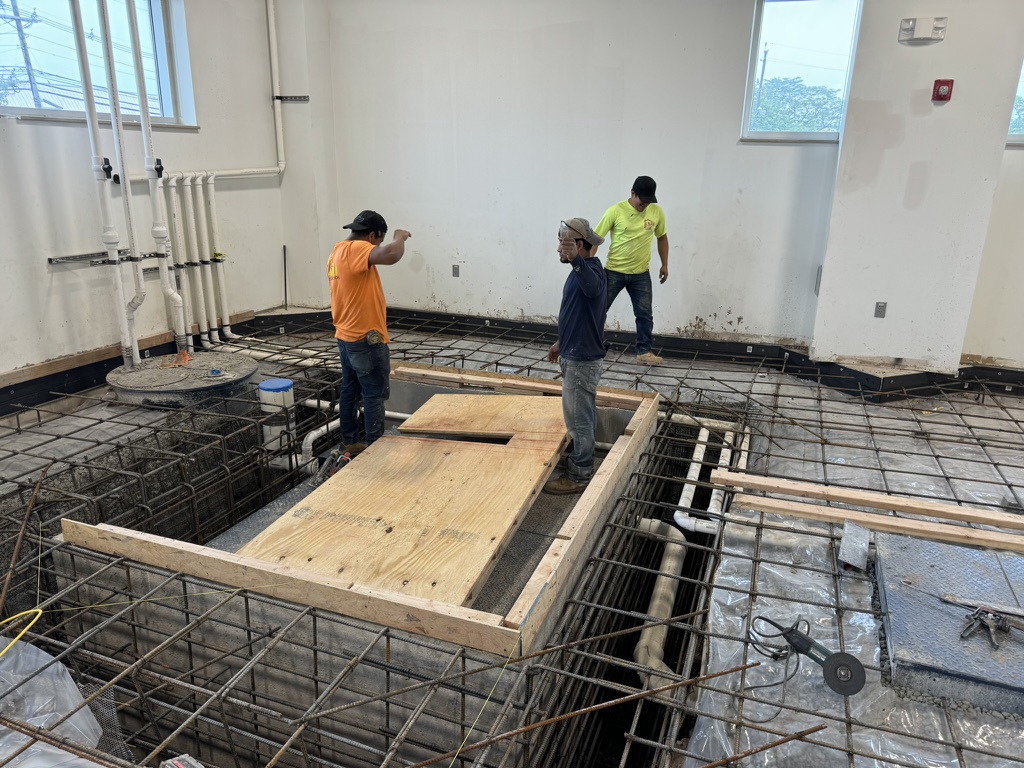
Interior waterproofing does not usually stop water from reaching the outside of the wall. Instead, it manages water that gets to the foundation by collecting it before it reaches the living space. A typical interior perimeter drainage system channels water to a sump basin, where a pump discharges it safely away from the house. This approach is often practical in finished or tightly spaced neighborhoods where excavation is disruptive, expensive, or blocked by hardscape, decks, or property line constraints.
Neither method is automatically better in every case. Exterior excavation around a deeply buried foundation can be costly and difficult, especially near utilities or close neighboring structures. Interior systems can be highly effective for controlling seepage and protecting the space, but they do not repair exterior wall deterioration by themselves. Good contractors explain the trade-offs instead of overselling one method as universally superior.
Crack repair is important, but context matters
Not all cracks are equal. A narrow shrinkage crack in poured concrete may be a good candidate for injection repair if it is stable and isolated. A stair-step crack in a block wall may tell a different story, especially if it accompanies bowing, displacement, or repeated water entry. A horizontal crack can raise concerns about lateral pressure and structural stress.
Epoxy and polyurethane injections both have their place. Polyurethane is often used where active water seepage is present because it can expand and seal wet cracks. Epoxy bonds concrete strongly and may be used more for structural crack repair in dry conditions. The material choice should reflect the purpose of the repair, not just what is easy to sell.
What matters most is whether the crack is the primary issue or simply one symptom of larger water pressure problems. If the yard drainage is poor and the footing drains are overwhelmed, sealing one crack may not keep the basement dry for long. Water will often find the next weak point.
Sump pumps, backup systems, and discharge planning
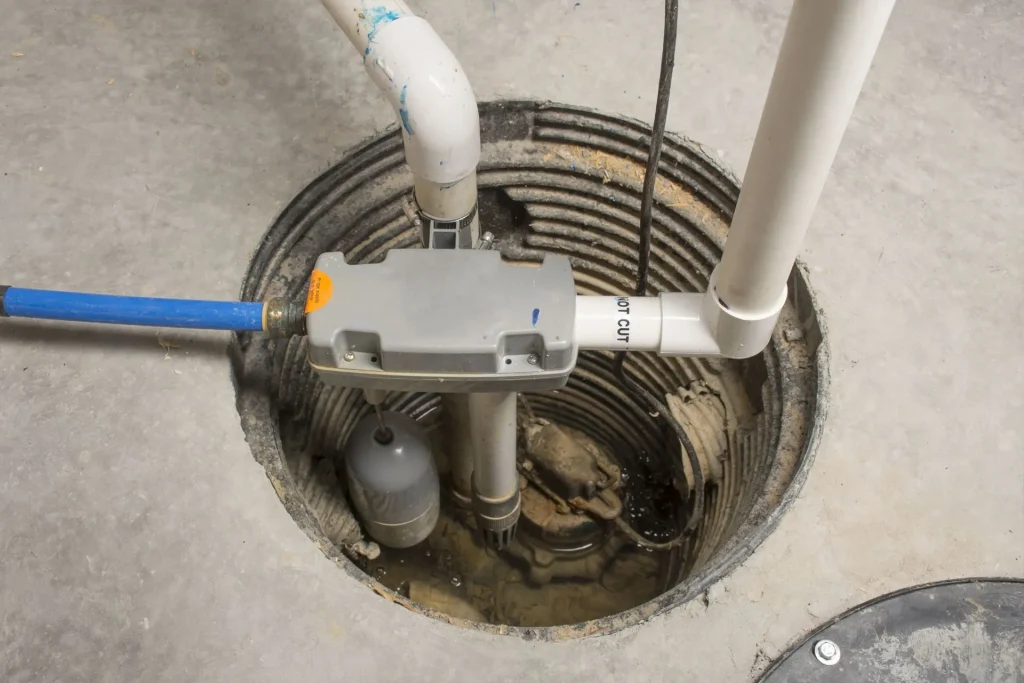
A sump pump is not glamorous, but in many New Jersey basements it is the heart of the waterproofing system. When groundwater or perimeter drain water reaches the sump pit, the pump lifts it out and sends it away from the structure. If the pump is undersized, poorly installed, or nearing the end of its service life, the whole system becomes vulnerable.
A good setup is about more than buying a pump off the shelf. Basin size, switch type, pumping capacity, check valves, discharge line routing, and power reliability all matter. In storm conditions, the periods when water intrusion risk is highest are often the same periods when power outages occur. That is why backup systems deserve serious attention. Battery backups can buy valuable time. Water-powered backups can be useful in some municipal water situations, though they are not suitable everywhere.
Discharge routing is another detail that gets missed. Water should be released far enough from the foundation that it does not recycle back toward the basement. Frozen discharge lines in winter can create failures at the worst possible time. The line needs proper pitch, termination, and seasonal awareness.
I have seen solid interior drain systems defeated by poor discharge planning. The pump ran, but the outlet dumped near the house, the ground was already saturated, and the water looped back to the foundation. The basement owner assumed the waterproofing failed, when the issue was really where the system sent the water.
Humidity control is part of the job
Even a basement that does not actively leak can have unhealthy moisture levels. Concrete is porous. Basements stay cooler than upper floors. Summer air entering a cool basement can condense on surfaces and add moisture to the space. That is why https://erickkrpr055.swiftnestly.com/posts/how-basement-waterproofing-nj-helps-prevent-costly-water-damage some property owners feel confused when they see dampness during humid months but not during rainstorms.
A proper dehumidifier can make a major difference in comfort, odor, and mold prevention, but it should support waterproofing, not replace it. If bulk water is entering, removing moisture from the air will not solve the root problem. Once water entry is controlled, humidity management helps preserve finishes, protect belongings, and improve indoor air quality.
Finished basements need special caution. Carpet pad, wood trim, paper-faced drywall, and fiberglass insulation all respond poorly to chronic moisture. If a basement has a history of seepage, the finishing details should reflect that reality. Moisture-tolerant materials and strategic wall assemblies are safer than pretending the space is as dry as an above-grade living room.
The inspection process should be more thorough than a quick glance
A reliable assessment does not begin and end in the basement. It starts outside, with the roof drainage, grading, hardscaping, window wells, utility penetrations, and visible foundation conditions. Then it moves inside to identify entry points, crack patterns, signs of past repairs, sump operation, humidity levels, and finish damage.
It also helps to ask the right questions. Did the problem first appear after a specific storm? Does it happen every time it rains, or only during prolonged wet periods? Is the moisture localized to one corner, or does it spread along the perimeter? Has landscaping changed recently? Has a patio or driveway settled? Context often narrows the diagnosis faster than guesswork.
Be cautious with one-size-fits-all recommendations delivered after a five-minute look. Basements are too variable for that. A credible professional should be able to explain not just what they recommend, but why, what alternatives exist, and what they expect the system to accomplish under real conditions.
Choosing a contractor without getting lost in sales language
The waterproofing industry has some excellent operators and some aggressive sales habits. Property owners are often vulnerable because water problems feel urgent. That urgency can push people into expensive work that may be incomplete or mismatched to the actual cause.
Use these questions to slow the process down and judge the quality of the assessment:
- What do you believe is the main source of water, and what evidence supports that?
- Are you recommending an interior system, an exterior system, or both, and why?
- What maintenance will the system require over time?
- How will discharge water be routed away from the house?
- What conditions or limitations could affect performance?
The quality of the answers matters as much as the answers themselves. Clear reasoning beats vague assurance. If a contractor cannot explain the water path, the pressure conditions, or the limitations of the proposed fix, keep looking.
It is also worth reading warranties carefully. Some warranties cover the installed system but not related damage. Some are transferable, some are not. Some require ongoing service. A long warranty sounds impressive, but the practical value depends on the company standing behind it and on exactly what is promised.
Cost, disruption, and the trade-offs owners should expect
There is no honest single price for Basement Waterproofing NJ because the range is wide. A straightforward crack injection is a very different scope from a full interior perimeter drain with sump and vapor barrier, and both differ sharply from exterior excavation and wall membrane work. Access conditions, basement size, finish level, water severity, and structural repairs all influence price.
Owners should think beyond the initial number. The cheapest proposal may leave key causes untouched. The most expensive proposal may include work that is not truly necessary. The goal is not buying the biggest system, it is solving the actual problem with a sensible margin of reliability.
Disruption matters too. Interior work usually affects finished spaces, flooring edges, and lower wall areas. Exterior work can disturb landscaping, walks, stoops, and driveways. Sometimes an owner chooses an interior system because the exterior is inaccessible or because tearing out mature landscaping is not acceptable. Sometimes the exterior is the better long-term fix because the wall itself needs direct treatment. Experience is knowing when each trade-off makes sense.
What owners can do right now before major work begins
Not every basement issue requires immediate large-scale construction. There are practical first steps that can reduce water exposure while you evaluate the situation. Clean and inspect gutters. Extend downspouts well away from the foundation. Check whether soil slopes toward the house. Remove mulch or planters piled too high against the wall. Make sure window wells drain and are not filled with debris. If you have a sump pump, test it before storm season, not during it.
These steps are not substitutes for true waterproofing when a basement has active seepage or groundwater pressure. They are, however, the kind of basic housekeeping that prevents many moderate issues from becoming severe ones.
Documentation also helps. Take photos after storms. Note where water appears and under what weather conditions. Track odors, damp spots, and crack changes. That record can be extremely useful when meeting contractors because it adds timing and pattern data that may not be visible on a dry day.
A dry basement protects more than the basement
Property owners often think about waterproofing as a lower-level issue, but the benefits reach further. Moisture in the basement affects the whole house. Air moves upward. Odors travel. Mold risk spreads. Structural materials age faster when exposed to chronic dampness. Mechanical systems work in harsher conditions. Resale conversations get harder when buyers notice stains, musty air, or a running dehumidifier next to a patched wall.
A dry basement supports healthier indoor conditions, better storage, longer-lasting finishes, and fewer unpleasant surprises during major storms. It also gives owners flexibility. Whether the basement remains utility space or becomes finished living area, controlling water is the foundation for every other investment made down there.
That is the core of Basement Waterproofing NJ. It is not just about stopping puddles. It is about understanding how water behaves around a building, identifying the specific weak points at your property, and choosing a remedy that matches real conditions rather than sales scripts. Property owners who grasp those basics tend to make better decisions, spend more wisely, and avoid the cycle of temporary fixes that never quite solve the problem.
ARD Waterproofing
Address: 98 Smull Ave, West Caldwell, NJ 07006
Phone number: +12016465936
FAQ About Basement Waterproofing NJ
What is the best waterproofing method for a basement?
The best overall approach to waterproofing a basement is a combined exterior and interior system that stops water at the foundation wall and safely manages any moisture that gets through.
What is the average cost to waterproof a basement?
The average cost to waterproof a basement ranges from $2,500 to $15,000, with most homeowners paying around $5,200 for a complete project.
Can a basement be waterproofed from the inside?
Yes, a basement can be waterproofed from the inside, and it is often the most affordable and least disruptive method.